




Emirates Skywards is one of the most sought-after frequent flyer programs in the world, home to the A380 first class suite, the onboard shower spa, and some of the most coveted premium cabin redemptions in aviation. But the program has changed dramatically in the past 18 months. Transfer partners have been devalued, Chase Ultimate Rewards was removed entirely, first class redemptions were restricted to elite members, and the partner award chart was quietly overhauled in March 2026. Most Emirates Skywards members are navigating this program with outdated assumptions, and it is costing them miles. Here are the seven mistakes that matter most, and exactly what to do instead.
Mistake 1: Assuming Chase Ultimate Rewards Still Transfers to Emirates Skywards
This is the most common outdated assumption in the Emirates Skywards membership base right now. Chase Ultimate Rewards removed Emirates Skywards as a transfer partner in October 2025. If you have been building a Chase points balance with the intention of transferring to Skywards for a future Emirates redemption, that pathway no longer exists. Chase points cannot be transferred to Skywards at any ratio — the partnership is gone.
The practical implication is that any Skywards redemption strategy that was built around Chase needs to be rebuilt around the remaining transfer partners. The best 1:1 option currently available is Bilt Rewards, which remains the only major US credit card program transferring to Emirates at a 1:1 ratio. Capital One Miles transfer at a 4:3 ratio — meaning you receive 750 Skywards miles for every 1,000 Capital One miles transferred. American Express Membership Rewards and Citi ThankYou Rewards both transferred at 1:1 until mid-2025, but both have since been devalued to worse ratios. If you have a Skywards redemption in mind and you hold Bilt points, transfer those first.
Mistake 2: Transferring Points to Skywards Without a Confirmed Award Seat
This mistake predates any of the recent program changes and remains one of the most expensive errors any Emirates Skywards member can make. Points transferred to Emirates Skywards cannot be transferred back. Once your Amex, Citi, or Capital One points become Skywards miles, they are Skywards miles permanently — subject to Emirates' expiration policy, redemption rules, and any future devaluations. If you transfer points speculatively — without a specific flight in mind and award availability confirmed — you are locking your points into a program you may not be able to use them in as intended.
The golden rule of points and miles transfers applies absolutely here: never transfer credit card points to an airline program without a specific redemption in mind, as transfers cannot be reversed. Search for award availability on emirates.com before initiating any transfer. Confirm the seat, confirm the date, confirm the miles required — then transfer. In that order, never reversed.
Mistake 3: Not Knowing That Emirates First Class Is Now Restricted to Elite Members
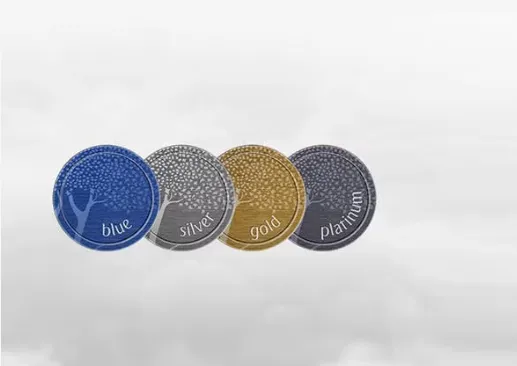
In May 2025, Emirates made a significant change that the vast majority of Skywards members are unaware of: Emirates first class award redemptions are now restricted to Silver-tier members and above. Blue-tier members — the default tier for anyone who joins Skywards without elite status — can no longer book Emirates first class awards regardless of how many Skywards miles they hold. This is a fundamental shift in how the program works and it directly affects anyone who has been saving miles specifically for the Emirates A380 first class cabin experience.
If accessing Emirates first class is your goal, you now need elite status first. Silver status requires 25,000 Tier Miles or 20 Tier Segments flown within a calendar year. Alternatively, the Barclays Emirates Skywards Premium World Elite Mastercard — available only in the US — grants instant Gold status for the first year with a $499 annual fee, bypassing the flying requirement entirely. If you have a large Skywards balance and Blue membership status, your first class redemption options are blocked until you achieve Silver or above.
Mistake 4: Ignoring the March 2026 Partner Award Chart Update
Emirates quietly introduced a revamped distance-based partner award chart in March 2026, and most members missed it entirely. Early analysis suggests that most partner awards now require fewer Skywards miles than before, with the shortest partner flights now starting at just 3,000 Skywards miles one-way — down from 6,000 miles previously. This creates a new and underused sweet spot in the program for short regional flights on partner carriers.
The practical opportunity here is meaningful. If you have a modest Skywards balance — say 20,000 to 40,000 miles — that is not enough for a premium long-haul redemption on Emirates itself, the updated partner chart opens up a range of shorter partner redemptions that were previously not viable at the same cost. Partners now operating under the new distance-based chart include several European and Latin American carriers. Air Canada, Japan Airlines, and Jetstar are still priced under the old chart as of April 2026, so check the specific partner before assuming the new rates apply.
Mistake 5: Letting Skywards Miles Expire Without Realising It
Skywards miles expire on a fixed schedule, generally three years after they are earned. Unlike some programs where any account activity resets the expiration clock, Emirates Skywards miles expire based on when they were individually earned — not based on your most recent account activity. This means you can be actively using your Skywards account, earning new miles regularly, and still have older miles in your balance expiring on a rolling basis without any clear warning.
The most common version of this mistake happens to members who earned a large batch of miles from a credit card transfer or signup bonus years ago and assumed those miles were safe as long as the account stayed active. Check your Skywards miles expiration schedule in your account dashboard on emirates.com — individual miles have their own expiry dates listed. If a significant portion of your balance is approaching the three-year mark and you have no award booking planned, selling those miles for cash through The Miles Market before they expire is the only guaranteed way to recover their value.
Mistake 6: Holding a Large Skywards Balance With No Redemption Plan
The Emirates Skywards program has devalued its transfer partnerships, restricted first class access to elite members, and overhauled its partner award chart — all within 18 months. The trajectory of the program is not toward more generous redemptions. Members who are holding large Skywards balances with a vague intention to "use them someday for Emirates first class" are exposed to two compounding risks: continued devaluation of what those miles can buy, and the three-year expiration clock running on older miles in the balance.
If you have accumulated a significant Skywards balance — whether through flying, credit card transfers, or promotional bonuses — and you do not have a concrete redemption in view within the next 12 months, the most financially rational decision may be to sell that balance now at today's market rate rather than watch it erode. The Miles Market buys Emirates Skywards miles at competitive rates, with same-day payment and no minimum balance requirement. A large balance today is worth more than a devalued balance two years from now.