 Contact Us
Airline Devaluation 2025-2026 Playbook


 5 min.


Airline Devaluation 2025: The Year the Sweet Spots Died — And How to Adapt for 2026
If you’re deep in points and miles, 2025 didn’t just bring another round of quiet devaluations — it changed the rules of the game. The hobby shifted from “find the chart sweet spot” to what One Mile at a Time describes as a game of access, where airlines increasingly reserve the best premium award seats for their own members (and often their elites or co-branded cardholders).
Below is a practical summary of what mattered in 2025 — and how to protect value heading into 2026.
The 2025 shift in one line
Predictable award charts faded, dynamic pricing expanded, and premium awards became more gated behind status, cards, and “native program” booking
What changed in 2025 (the 5 trends that mattered)
1) Dynamic pricing became the default (or moved closer to it)
- Lufthansa Miles & More moved Lufthansa Group-operated awards (Lufthansa, SWISS, Austrian, etc.) away from a fixed chart to variable mileage amounts tied to ticket price and other factors, effective June 3, 2025.
- Singapore Airlines KrisFlyer adjusted award rates effective Nov 1, 2025 (including increases in premium cabins on many regions) and introduced more complexity in how awards are priced/managed.
What this means: you’ll still find deals (especially off-peak), but “I know the price before I search” is disappearing.
2) The “Game of Access” replaced the “Game of Arbitrage”
Airlines are getting more deliberate about who can see and book the best premium award seats:
- More premium saver seats are exclusive to an airline’s own program, not partners.
- More airlines give better award access to elites and/or co-branded cardholders.
Translation: it’s harder to rely on partner programs (or transferable points alone) to unlock the most aspirational seats.
3) Premium redemptions got “walled off” (Emirates is the poster child)
In one of the most important policy shifts of 2025:
- Emirates restricted First Class award bookings to Skywards elite members (Silver/Gold/Platinum) starting May 12, 2025.
You can still sometimes access Emirates premium seats via partners, but availability and pricing are often tougher — and that’s the broader 2025 story across the industry.
4) Iconic sweet spots didn’t just weaken — they disappeared
Late 2025 delivered one of the cleanest examples:
- Turkish Miles&Smiles raised partner domestic awards by 50% and created a new (much higher) Hawaii zone (economy up to 25K; business up to 40K one-way), wiping out a fan-favorite hack
5) Programs squeezed value on the “earn” side too
Not all pain is on award pricing — sometimes it’s how quickly you earn, or what perks you keep.
- Southwest introduced broad policy changes in 2025 (including changes to points earning ratios and bag-fee policy details tied to fare types and booking dates).
Winners & bright spots of 2025 (where value did show up)
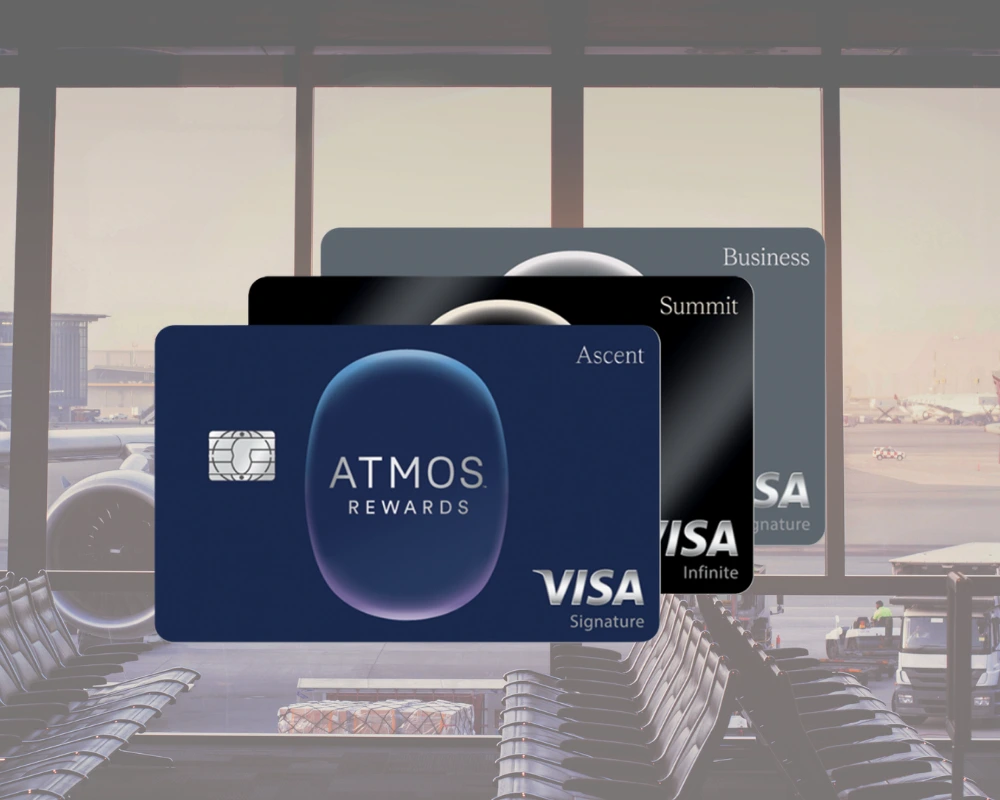
Atmos™ Rewards (Alaska + Hawaiian)
Alaska launched Atmos™ Rewards on Aug 20, 2025, unifying the loyalty ecosystem and positioning it as a flexible, member-choice program:
-
Members can choose to earn based on distance, price, or segments
-
Network reach described as 1,000+ destinations via Alaska/Hawaiian plus partners
-
Starlink Wi-Fi benefit for members beginning in 2026
American Airlines: Loyalty Points keep pushing “status via spend”
AA continued leaning into Loyalty Points as the “status currency,” with the 2025–2026 qualification year running March 1, 2025 through Feb 28, 2026
If you’re a big spender (cards + partners), this remains one of the clearest paths to elite benefits without living on planes.
Qatar Qsuite Next Gen (value via product, not charts)
Qatar showcased Qsuite Next Gen in 2025 — a reminder that sometimes the “win” is using miles on the best hard product when pricing hasn’t jumped yet.
The 2025 Devaluation Hall of Shame
Emirates Skywards: First Class awards gated behind elite status (May 12, 2025).Turkish Miles&Smiles: domestic + Hawaii sweet spot crushed (Dec 2025 updates).
Southwest: meaningful 2025 changes across earning and fees that reduce the “simple/value” appeal for many travelers.
And one more that matters for planning: Capital One announced a devaluation of transfers to Emirates effective Jan 13, 2026 (from 1:1 to 1,000:750) — a late-2025 warning shot that transfer ratios are now a devaluation lever too.
The 2026 Survival Playbook (Miles Market edition)
-
Earn & Burn (stop hoarding)
If you’re sitting on a balance for “someday,” you’re volunteering for the next devaluation.
-
Confirm award space before you transfer
With more “native-program-only” inventory and more dynamic pricing, speculative transfers are riskier than ever
-
Treat status/card access as a tool (not an identity)
If one airline gates premium awards behind elites/cardholders, consider a targeted strategy for the routes you actually fly — not broad loyalty.
-
Diversify into transferable currencies — and keep an exit
Flexibility is the edge now. And if an award goal stops making sense, having a cash-out path (or a buyer market) matters.
-
When the sweet spot dies, pivot fast
Example: Turkish → many people waited “one more month” and lost the Hawaii hack
Call to action
2025 proved one thing: value is moving faster than most people’s plans.
If you want help navigating redemptions (or you’d rather convert unused miles/points into cash and reset), The Miles Market can help you choose the best move based on today’s reality not last year’s charts.
Get Paid Today
Check How Much Your Airline Miles Are Worth